
Choosing the Right Stairlift: A Comprehensive Guide

Updated: Jan 20
Stairlifts can be a game-changer for individuals facing mobility challenges. Whether due to age, injury, or a medical condition, navigating stairs can become a daunting task.
A stairlift offers a practical solution, providing safety and independence. However, with various options available, selecting the right stairlift can be overwhelming. This guide aims to simplify the decision-making process, ensuring you find the perfect stairlift for your needs.

Understanding Stairlifts
What is a Stairlift?
A stairlift is a mechanical device designed to transport individuals up and down stairs. It consists of a chair or platform that moves along a rail installed on the staircase. Stairlifts can be customized to fit various stair types, including straight, curved, and outdoor stairs.
Types of Stairlifts
Straight Stairlifts:
Ideal for straight staircases without any turns or curves.
Generally more affordable and easier to install.
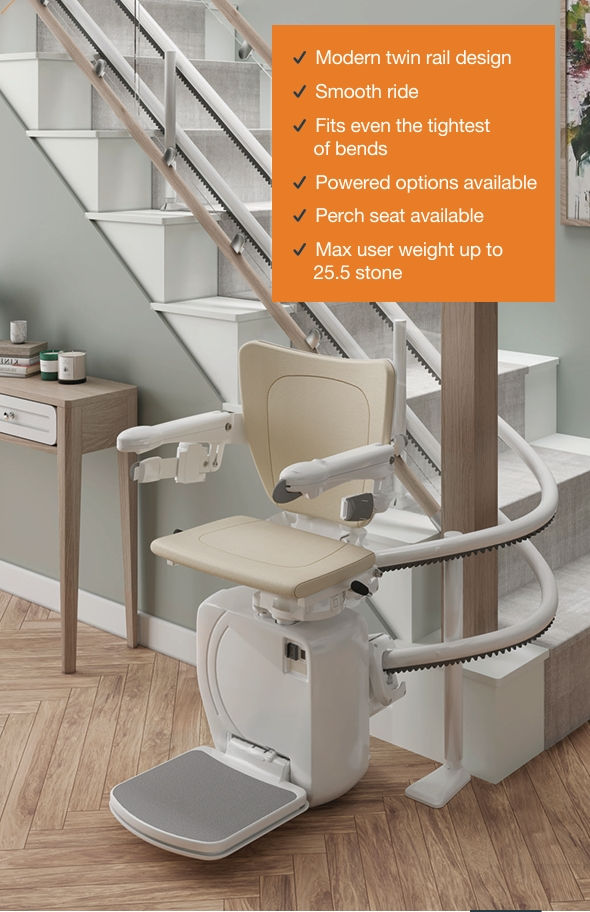
Curved Stairlifts:
Designed for staircases with bends or curves.
Custom-made to fit the specific dimensions of your staircase, which can increase the cost.
Outdoor Stairlifts:
Built to withstand outdoor elements.
Typically have weather-resistant features and can be used on exterior stairs.
Platform Stairlifts:
Suitable for individuals who use wheelchairs.
Allows for easy transportation of a wheelchair up and down stairs.
Key Features to Consider
When selecting a stairlift, consider the following features:
Weight Capacity: Ensure the stairlift can accommodate the user's weight.
Seat Design: Look for comfortable seating with adjustable options.
Safety Features: Check for seat belts, safety sensors, and emergency stop buttons.
Power Source: Decide between battery-operated or hardwired options.
Remote Controls: Some models come with remote controls for added convenience.
Assessing Your Needs
Evaluate Your Space
Before purchasing a stairlift, assess your home environment. Measure the width of your staircase and check for any obstructions that may affect installation. Consider the following:
Stair Width: Ensure there is enough space for the stairlift to operate safely.
Landings: Check if there are landings at the top and bottom of the stairs for safe entry and exit.
Wall Space: Determine if there is adequate wall space for the rail installation.
User Requirements
Consider the specific needs of the user:
Mobility Level: Assess the user's ability to transfer in and out of the stairlift.
Frequency of Use: Determine how often the stairlift will be used to gauge the importance of features like speed and comfort.
Future Needs: Think about potential changes in mobility that may require additional features or upgrades.
Budgeting for Your Stairlift
Cost Factors
The cost of a stairlift can vary significantly based on several factors:
Type of Stairlift: Straight stairlifts are generally less expensive than curved models.
Installation Costs: Professional installation may add to the overall cost.
Customization: Custom features or modifications can increase the price.
Warranty and Maintenance: Consider ongoing costs for maintenance and warranty coverage.
Financing Options
Many companies offer financing plans to help manage the cost of a stairlift. Explore options such as:
Payment Plans: Monthly payment options can make the purchase more manageable.
Insurance Coverage: Check if your health insurance or Medicare covers stairlift costs.
Grants and Assistance Programs: Some organizations provide financial assistance for home modifications.
Choosing the Right Provider
Researching Manufacturers
When selecting a stairlift, research reputable manufacturers. Look for companies with:
Positive Reviews: Check customer testimonials and ratings.
Experience: Choose a manufacturer with a proven track record in the industry.
Warranty Options: Ensure they offer a solid warranty for peace of mind.
Installation Services
Professional installation is crucial for safety and functionality. Consider the following:
Certified Installers: Ensure the installation team is certified and experienced.
Post-Installation Support: Look for companies that provide ongoing support and maintenance services.
Safety Considerations
Safety Features to Look For
Safety should be a top priority when choosing a stairlift. Key features to consider include:
Seat Belts: Ensure the stairlift has a secure seat belt for added safety.
Obstacle Sensors: Look for models with sensors that detect obstacles on the stairs.
Emergency Stop Button: A readily accessible emergency stop button is essential for quick action.
Regular Maintenance
Regular maintenance is vital for ensuring the stairlift operates safely and efficiently. Schedule routine check-ups with a qualified technician to:
Inspect the mechanical components.
Test safety features.
Address any potential issues before they become major problems.
Installation Process
Preparing for Installation
Once you’ve selected a stairlift, the installation process typically involves the following steps:
Site Assessment: A technician will visit your home to assess the staircase and discuss your needs.
Measurements: Accurate measurements will be taken to ensure a proper fit.
Installation: The stairlift will be installed, including the rail and seat.
Post-Installation Walkthrough
After installation, the technician should provide a walkthrough of the stairlift's features and safety protocols. Ensure you understand how to operate the stairlift and address any questions you may have.
User Experience
Operating the Stairlift
Using a stairlift should be straightforward. Most models operate with a simple joystick or remote control. Familiarize yourself with the following:
Starting and Stopping: Learn how to start and stop the stairlift safely.
Adjusting Speed: Some models allow you to adjust the speed for comfort.
Using Safety Features: Understand how to use seat belts and emergency stop buttons.
Feedback from Users
Gathering feedback from current users can provide valuable insights. Consider reaching out to friends or family who have experience with stairlifts. Their experiences can help you make a more informed decision.
Conclusion
Choosing the right stairlift is a significant decision that can greatly enhance mobility and independence. By understanding the different types of stairlifts, assessing your needs, and considering safety features, you can make an informed choice. Remember to research reputable providers and prioritize safety and comfort. With the right stairlift, navigating your home can become a seamless experience, allowing you to maintain your independence and enjoy your living space to the fullest.
Take the next step towards improved mobility by exploring your options today.


Comments